Strategic Use of First Aid Treatment Form Log Book for Enhanced Planning and Operations
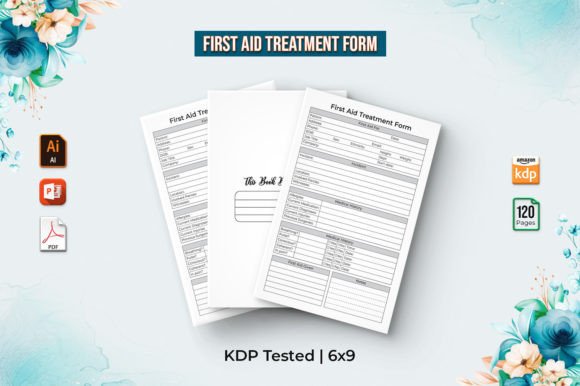
First Aid Treatment Form Log Book is a comprehensive tool designed to meticulously document and manage first aid incidents, treatments, and follow-ups. This log book serves as a critical resource for maintaining accurate and organized records, which can be invaluable in various settings, from small businesses to large organizations. By using this log book, you can ensure that all first aid activities are well-documented, supporting compliance, safety, and operational efficiency.
Why a First Aid Treatment Form Log Book is Strategically Useful
A well-structured First Aid Treatment Form Log Book offers several strategic advantages. It helps in:
- Maintaining a clear and detailed record of all first aid incidents, which is essential for legal and regulatory compliance.
- Enhancing communication between first aid providers, management, and external stakeholders, such as insurance companies and regulatory bodies.
- Improving the overall safety culture within an organization by providing data that can be used to identify trends and areas for improvement.
Supporting Goals and Planning with the First Aid Treatment Form Log Book
The First Aid Treatment Form Log Book can be a powerful tool in achieving organizational goals, particularly those related to safety and compliance. For instance, if your goal is to reduce workplace injuries, the log book can help you track and analyze incident patterns, allowing you to implement targeted preventive measures. Additionally, it can support long-term planning by providing a historical record that can inform future safety policies and training programs.
Practical Examples and Planning Tips
Consider the following practical examples and tips for using the First Aid Treatment Form Log Book:
- Incident Analysis: Regularly review the log book to identify common types of injuries or recurring issues. Use this data to adjust safety protocols and provide targeted training to employees.
- Compliance Reporting: Ensure that all entries in the log book are accurate and up-to-date. This will make it easier to generate reports required for compliance audits and inspections.
- Emergency Preparedness: Use the log book to document and evaluate the effectiveness of emergency response procedures. This can help in refining and improving these procedures over time.
When and How to Use the First Aid Treatment Form Log Book
The First Aid Treatment Form Log Book should be used whenever a first aid incident occurs. It is crucial to document the incident immediately, including details such as the date, time, location, nature of the injury, treatment provided, and any follow-up actions. This real-time documentation ensures that no important information is overlooked and provides a complete and accurate record.
Approach and Considerations
To use the First Aid Treatment Form Log Book effectively, consider the following approach and key considerations:
- Training: Ensure that all first aid providers and relevant staff are trained on how to properly use the log book. This includes understanding the importance of accurate and timely documentation.
- Accessibility: Make the log book easily accessible to authorized personnel. This can be achieved by keeping it in a designated, visible, and secure location.
- Confidentiality: Protect the privacy of individuals involved in first aid incidents. Ensure that the log book is stored securely and that access is restricted to authorized personnel only.
Possible Risks and How to Mitigate Them
Using the First Aid Treatment Form Log Book without clear goals or context can lead to several risks, including incomplete or inaccurate records, non-compliance, and potential legal issues. To mitigate these risks, it is essential to:
- Set Clear Objectives: Define the specific purposes for which the log book will be used, such as compliance, safety analysis, or emergency preparedness.
- Regular Review and Update: Periodically review and update the log book to ensure that it remains current and relevant. This includes revising forms and procedures as needed.
- Training and Oversight: Provide ongoing training and oversight to ensure that all users understand and adhere to the proper use of the log book.
Intentional Use for Long-Term Value
To use the First Aid Treatment Form Log Book intentionally rather than randomly, focus on integrating it into your broader safety and compliance strategy. This means aligning its use with your organization's goals, ensuring that it supports effective decision-making, and continuously improving its implementation based on feedback and outcomes.
By adopting a thoughtful and strategic approach, the First Aid Treatment Form Log Book can become a valuable asset in enhancing safety, compliance, and operational efficiency. It not only helps in managing immediate first aid needs but also contributes to the long-term success and sustainability of your organization.