The Private Password Tracker Logbook: A Comprehensive Guide for Secure and Efficient Management
Managing passwords can be a daunting task, especially with the increasing number of online accounts and services we use daily. The Private Password Tracker Logbook is designed to help you keep all your passwords in one secure place, making it easier to manage and access them when needed. This logbook is not just a simple notebook; it's a well-structured, high-quality tool that can significantly enhance your password management experience.
Understanding the Private Password Tracker Logbook
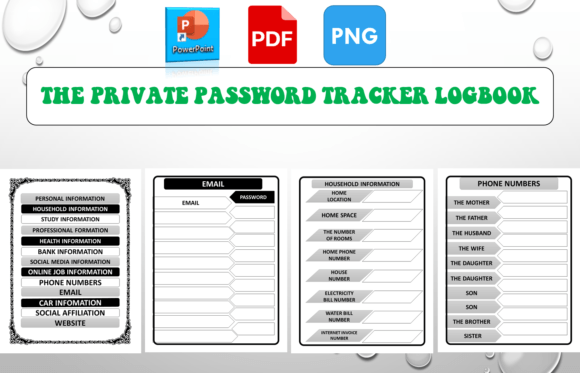
The Private Password Tracker Logbook is a 120-page, 8.5 x 11-inch document, fully editable and ready for printing. It's specifically formatted and tested for KDP (Kindle Direct Publishing), making it an ideal choice for those looking to publish their own low or no-content books. The logbook comes with a high-quality print-ready PDF, PPT source files for customization, and PNG files, providing flexibility and ease of use.
Common Mistakes to Avoid When Using the Private Password Tracker Logbook
While the Private Password Tracker Logbook is a powerful tool, there are several common mistakes that users often make, which can impact its effectiveness and security. Here are some key areas to watch out for:
- Not Customizing the Logbook: One of the biggest advantages of this logbook is its customizability. Many users overlook this feature and do not take the time to tailor the logbook to their specific needs. This can lead to a less efficient and less secure system.
- Ignoring Security Measures: While the logbook is designed to be secure, it's important to implement additional security measures. For example, keeping the physical logbook in a secure location and using a strong master password to protect the digital version.
- Overlooking Regular Updates: Passwords should be updated regularly to maintain security. Some users may forget to update their logbook, leading to outdated and potentially compromised passwords.
Practical Advice for Effective Use
To get the most out of your Private Password Tracker Logbook, consider the following tips:
- Customize Your Logbook: Take advantage of the editable PPT files to customize the logbook. Add sections, change layouts, and include any specific information that you need to track. This will make the logbook more useful and tailored to your personal or business needs.
- Implement Strong Security Practices: Keep the physical logbook in a secure place, such as a locked drawer or safe. If you have a digital version, use a strong master password and consider encrypting the file. Regularly check and update your security measures to ensure they remain effective.
- Regularly Update Your Passwords: Make it a habit to update your passwords at least every three months. Use the logbook to record these updates and ensure that all your passwords are current and secure.
What to Check Before Making a Decision
Before you decide to use the Private Password Tracker Logbook, here are some key things to check:
- Compatibility with Your Needs: Ensure that the logbook meets your specific requirements. Consider the number of pages, the format, and the level of customization available. If you need more than 120 pages, you might want to look for a different solution.
- Security Features: Verify that the logbook includes the necessary security features, such as the ability to add a master password and the option to encrypt the file. This is crucial for maintaining the confidentiality of your passwords.
- Quality and Print Readiness: Check that the logbook is high-quality and print-ready. The Private Password Tracker Logbook is designed to be 100% ready for KDP, so you can be confident that it will meet the required standards.
Realistic Examples and Better Approaches
Let's look at a few realistic examples to illustrate how to use the Private Password Tracker Logbook effectively:
- Example 1: Customizing for Business Use: If you're using the logbook for a small business, you might want to add sections for different departments or types of accounts. Customize the PPT files to include these sections, and ensure that each department has a dedicated section for their passwords.
- Example 2: Implementing Strong Security: To enhance security, you can create a master password that is stored separately from the logbook. Additionally, you can use a password manager to generate and store complex passwords, and then record these in the logbook.
- Example 3: Regular Updates: Set a reminder to update your passwords every three months. Use the logbook to record the new passwords and the date of the update. This helps you keep track of when the last update was made and ensures that all your passwords are up-to-date.
By following these practical tips and avoiding common mistakes, you can make the most of the Private Password Tracker Logbook. This tool is not just a logbook; it's a comprehensive solution for managing your passwords efficiently and securely. Whether you're a beginner or a seasoned professional, the Private Password Tracker Logbook can help you stay organized and protected.