Unlocking the Power of Mood Journal: A Comprehensive Guide
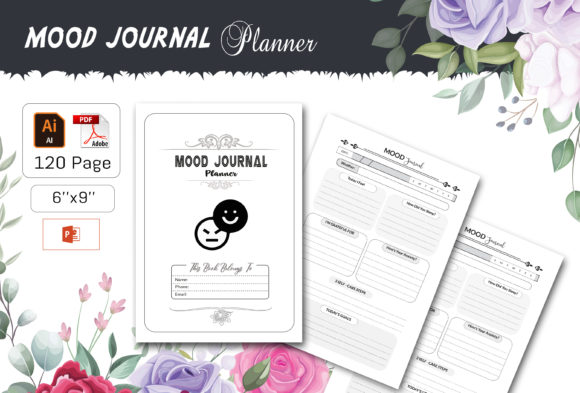
Mood Journal is a versatile and powerful tool designed to help you track and understand your emotional well-being. Whether you're a beginner or a seasoned journaler, this 120-page, 6 x 9 inch journal offers a structured yet flexible format to document your moods, thoughts, and reflections. It's perfect for anyone looking to gain deeper insights into their mental health and emotional patterns.
Why Choose Mood Journal?
Mood Journal is not just another notebook; it's a thoughtfully crafted resource that can significantly enhance your self-awareness. The journal includes 100 vector shapes, making it easy to customize and personalize. With a high-quality 300 dpi resolution, it ensures that every page looks crisp and professional. Additionally, the journal comes in multiple file formats (PDF, AI, EPS, PPT, JPEG), allowing for seamless editing and printing.
Common Mistakes to Avoid When Using Mood Journal
While Mood Journal is a valuable tool, there are several common mistakes that can hinder its effectiveness. Here are some key areas to be mindful of:
1. Neglecting Consistency
One of the most significant mistakes is not maintaining a regular journaling habit. Consistency is key to gaining meaningful insights. Avoid sporadic entries; instead, set aside a specific time each day to reflect and write.
2. Overlooking the Importance of Reflection
Journaling is more than just writing down your moods. It's about reflecting on why you feel a certain way. Take the time to analyze and understand the underlying reasons behind your emotions. This deeper reflection can lead to more profound personal growth.
3. Not Customizing Your Journal
Mood Journal is highly customizable, but many users overlook this feature. Use the 100 vector shapes and editable files to tailor the journal to your needs. Adding personal touches, such as favorite quotes or images, can make the experience more engaging and meaningful.
4. Ignoring the Quality of Print
The quality of the print can greatly impact your journaling experience. Ensure that you use a high-quality printer or a reputable print shop to maintain the 300 dpi resolution. Poor print quality can detract from the overall experience and make it less enjoyable.
5. Failing to Leverage Multiple Formats
Mood Journal comes in various formats, including PDF, AI, EPS, PPT, and JPEG. Each format has its own advantages. For example, the PDF is ready to print, while the AI and EPS files are ideal for detailed editing. Utilize the different formats to suit your specific needs and preferences.
Practical Tips for Maximizing Your Mood Journal Experience
To get the most out of your Mood Journal, consider the following tips:
- Set Clear Goals: Define what you want to achieve with your journal. Whether it's improving your mood, reducing stress, or enhancing self-awareness, having clear goals will guide your journaling process.
- Create a Routine: Establish a consistent journaling routine. This could be first thing in the morning, before bed, or during a break in your day. Consistency will help you build a habit and see more significant results over time.
- Be Honest and Open: Honesty is crucial when journaling. Write openly about your feelings and experiences without judgment. This honesty will help you gain deeper insights and foster a more authentic connection with yourself.
- Use Visuals and Colors: Take advantage of the 100 vector shapes and the ability to change colors. Adding visuals and using different colors can make your journal more engaging and visually appealing.
- Review and Reflect Regularly: Set aside time to review your past entries. This reflection can help you identify patterns, triggers, and areas for improvement. Regular reviews will also reinforce the benefits of your journaling practice.
What to Check Before Making a Decision
Before you start using Mood Journal, here are a few things to check:
- File Compatibility: Ensure that your software (e.g., Adobe Illustrator, Microsoft PowerPoint) is compatible with the provided file formats. This will save you from potential technical issues later on.
- Print Quality: If you plan to print the journal, check the capabilities of your printer or the print shop you plan to use. High-quality prints will enhance your journaling experience.
- Customization Needs: Consider how much customization you want to do. If you prefer a more personalized journal, make sure to explore the editable files and vector shapes thoroughly.
- Your Journaling Goals: Clarify your goals for using the journal. This will help you stay focused and motivated throughout your journaling journey.
By avoiding these common mistakes and following the practical tips, you can make the most of your Mood Journal. Remember, the key to a successful journaling practice is consistency, reflection, and personalization. Happy journaling!